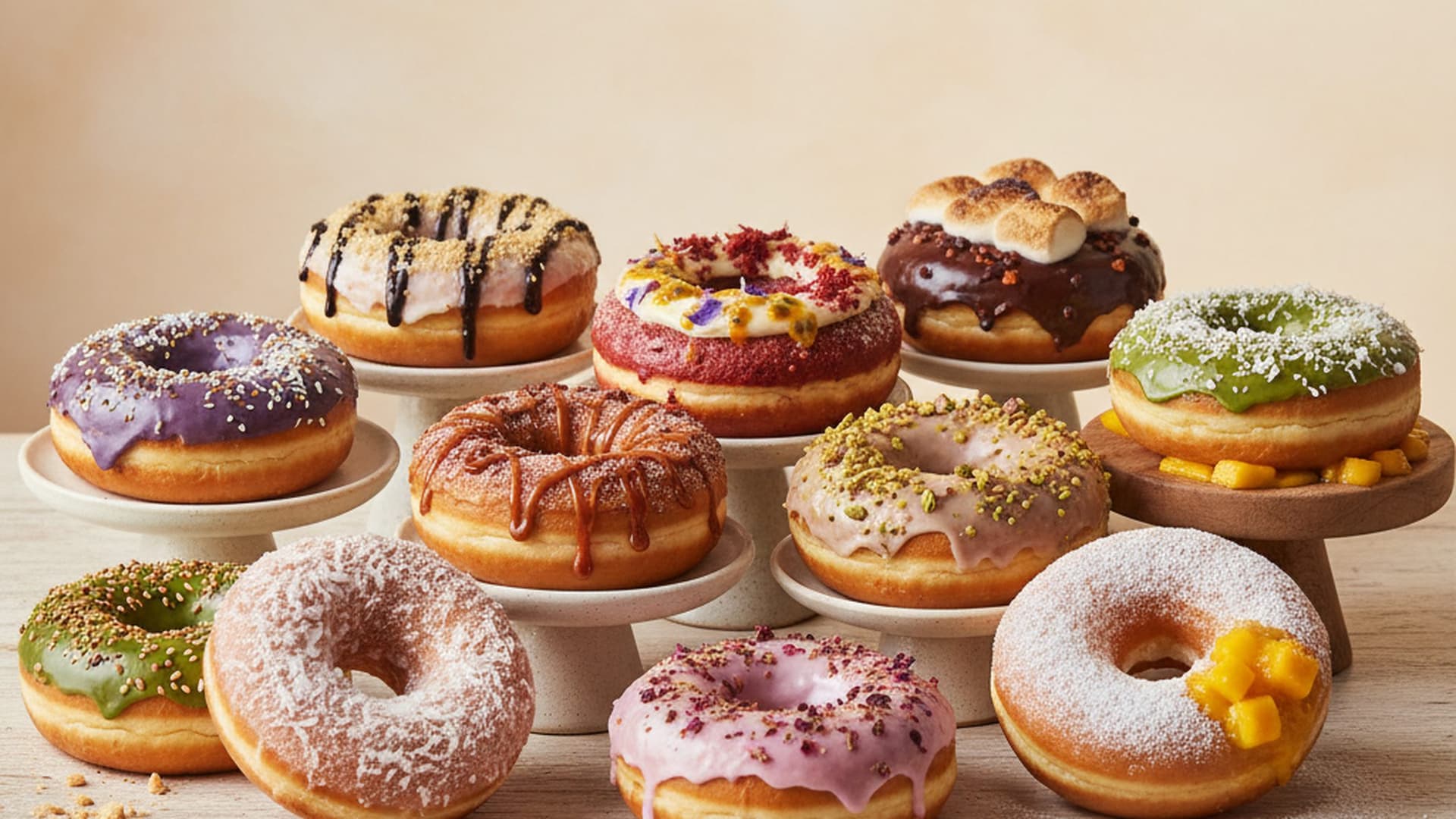
The Sweet Journey: Immigrant Influences on American Donuts
As the United States celebrates National Donut Day on June 4, 2026, it's a moment to savor not just the sugary delight of these pastries, but also the rich tapestry of cultural influences that shape their flavors. The humble donut, once a simple ring of fried dough, has evolved into a canvas for creativity, enriched by the diverse immigrant communities that call America home. Today, we'll delve into the fusion of flavors that reflect the multicultural essence of this nation.
A Melting Pot of Flavors
The story of the donut is deeply intertwined with the stories of those who have journeyed to America, bringing with them culinary traditions that have transformed the landscape of American cuisine. From the vibrant streets of Little Italy to the bustling Chinatowns across the country, these communities have infused traditional donut recipes with unique spices, fillings, and toppings.
Consider the Mochi donut, a delightful blend of Japanese mochi and American donut traditions. Its chewy texture, achieved through the use of glutinous rice flour, offers a distinctive twist that has captivated taste buds nationwide. Similarly, the introduction of cardamom and saffron into donut glazes can be attributed to Middle Eastern influences, offering a fragrant and aromatic experience that elevates the conventional donut to new heights.
Venture into the heart of New York City, and you'll find the Italian zeppole, which has inspired donuts filled with ricotta cheese and dusted with powdered sugar. Meanwhile, in Miami, the Cuban influence is unmistakable, with donuts filled with guava and cheese, a nod to the popular Cuban pastry, pastelitos.