Introducing Art to Your Juneteenth Celebration Wall
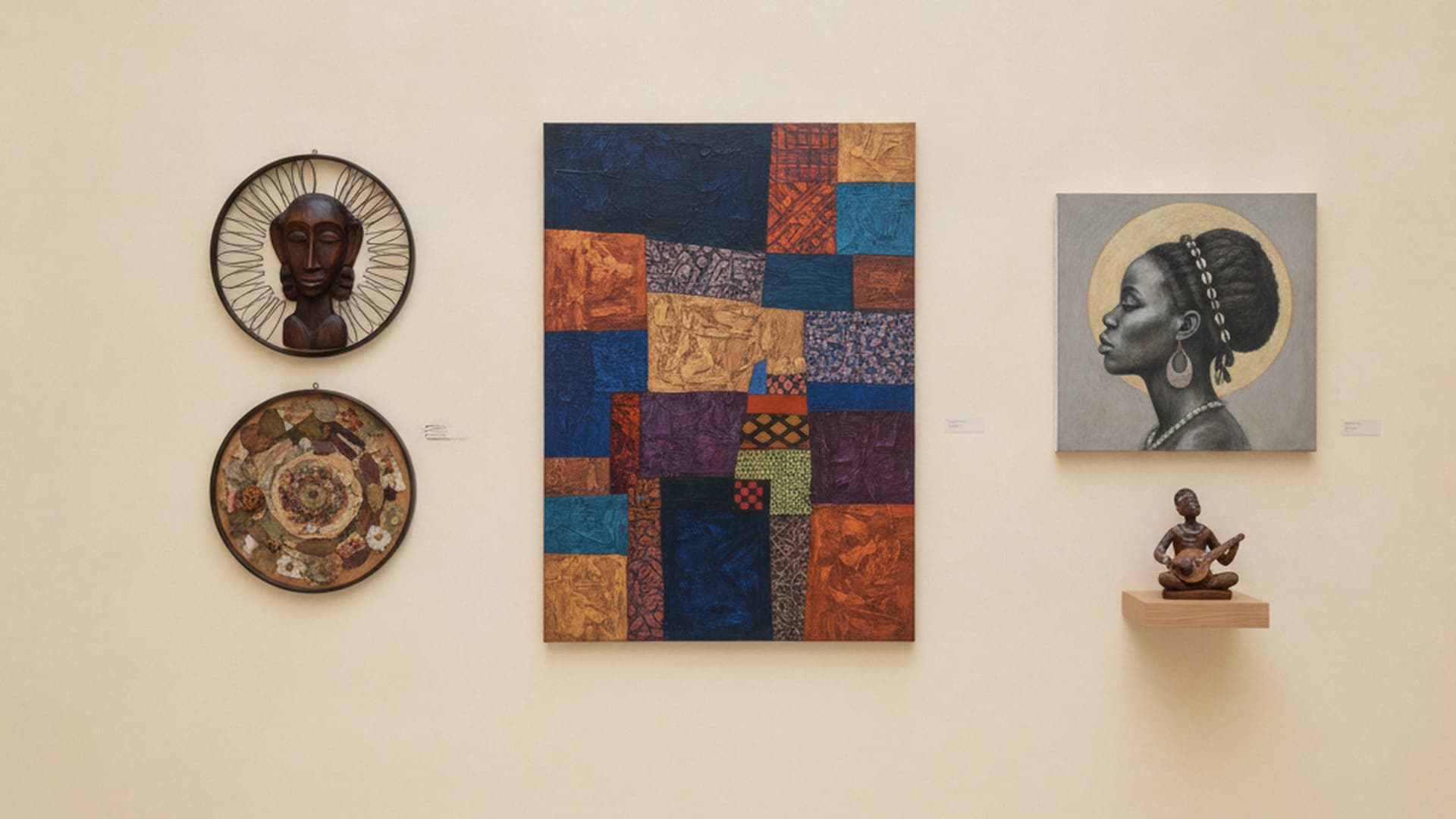
Juneteenth, a day that marks the end of slavery in the United States, is a time of reflection and celebration of African American culture and achievements. To honor this significant event, consider infusing your Juneteenth celebration wall with a curated collection of African American art. This thoughtful addition not only enhances the visual appeal of your wall but also deeply acknowledges the cultural significance of the holiday. By incorporating art, you create a space that not only celebrates freedom but also educates and inspires those who view it.
The Resonance of African American Art
African American art is rich with stories, emotions, and histories that span generations. From the Harlem Renaissance to contemporary movements, African American artists have used their work to express ideas of freedom, identity, and resilience. Pieces like Jacob Lawrence's "The Migration Series" or Kara Walker's silhouettes provide profound visual narratives that resonate with the spirit of Juneteenth. Lawrence's series, for example, captures the Great Migration, a pivotal period when African Americans moved from the rural South to the urban North in search of better opportunities and escape from oppressive conditions. Walker's silhouettes, on the other hand, often explore themes of race, gender, and history through stark, haunting imagery. Integrating such pieces into your celebration wall can create a reflective space that honors both the past and the present.
Curating Your Art Selection
When selecting art for your Juneteenth wall, consider pieces that speak to themes of liberation, heritage, and community. Look for artworks that not only catch the eye but also tell a story. Artists such as Romare Bearden, Faith Ringgold, and Amy Sherald offer a range of styles and perspectives that can enrich your wall’s narrative. Bearden's collage work, often vibrant and full of life, depicts scenes from African American culture and history. Ringgold's story quilts combine narrative and visual art to tell personal and historical tales, while Sherald, known for her portraiture, often focuses on capturing the nuanced identity and humanity of African Americans. Whether it’s a print, a digital reproduction, or an original piece, each work should contribute to an overarching dialogue about freedom and cultural pride.