The Unspoken Language of Attire
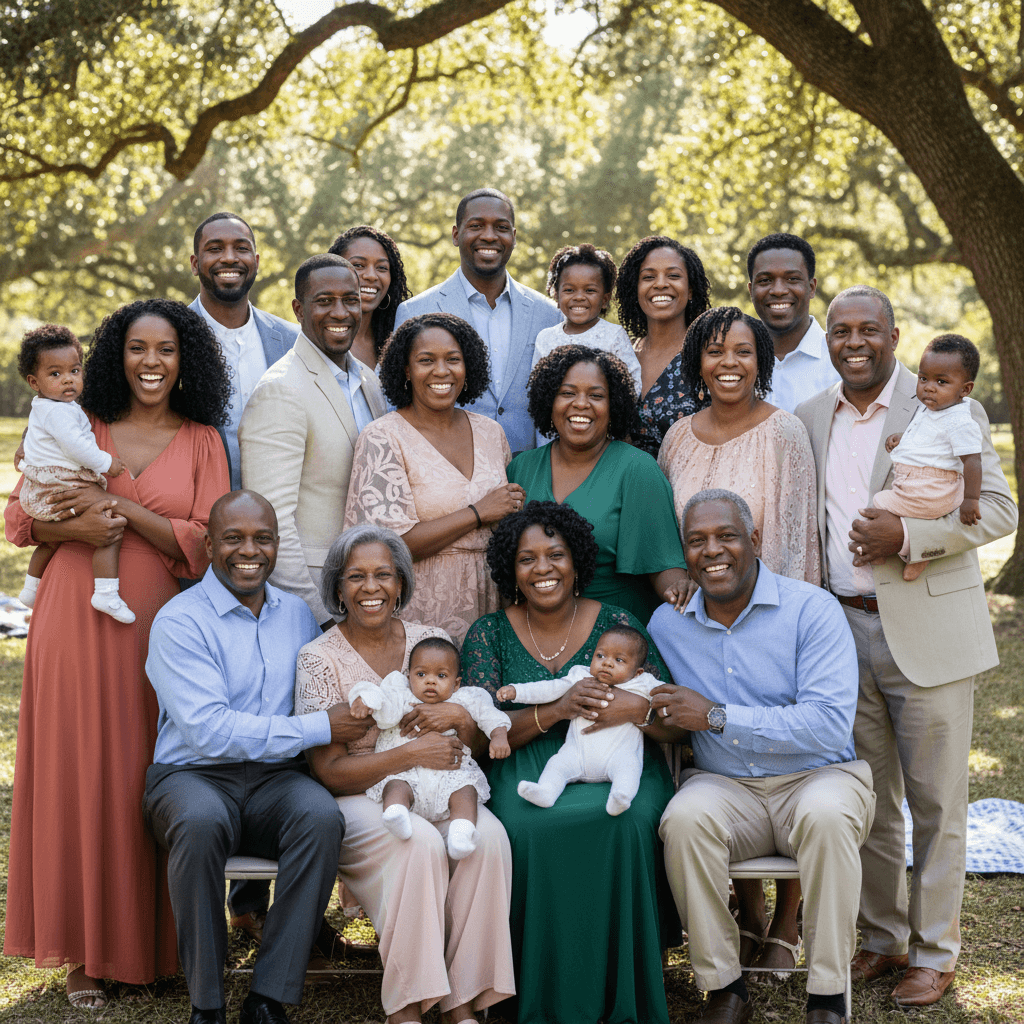
The art of dressing is often more eloquent than spoken words, especially at family gatherings where emotions can run high and relationships are delicately balanced. In the wake of Brooklyn Beckham’s recent birthday celebration, where he and his father-in-law were seen in matching outfits, we are reminded of the subtle power of clothing to communicate unity and foster connection.
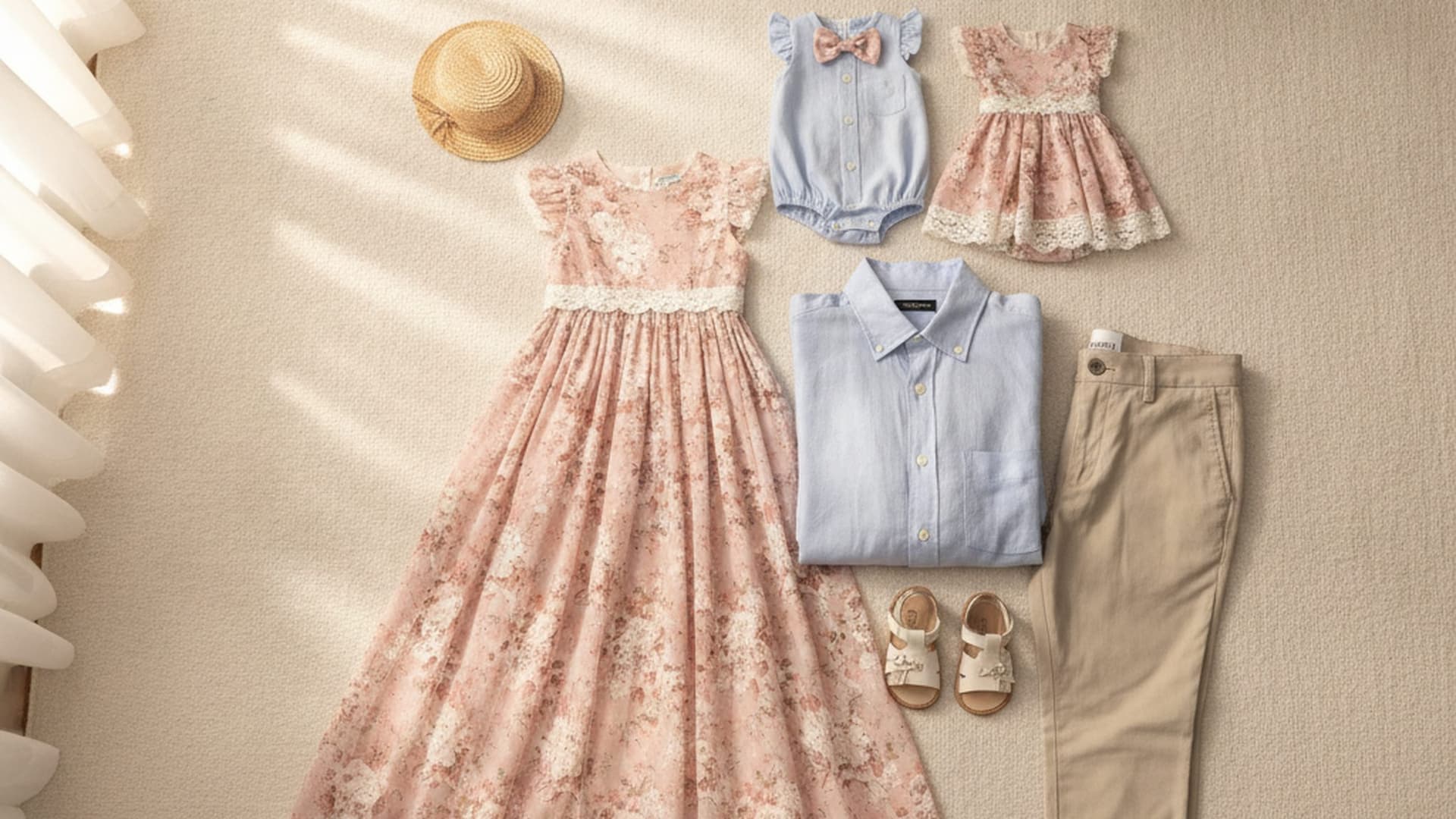
In affluent circles, where individualism is celebrated, the act of coordinating outfits might seem counterintuitive. Yet, it is precisely this act of subtle synchronization that can ease tensions and create a sense of belonging. The choice to match attire with in-laws at milestone occasions is not merely a fashion statement; it is a gesture of inclusivity and respect.
At Beckham's birthday, the coordinated attire spoke volumes beyond the visual appeal. It demonstrated a willingness to blend in and embrace a new family identity—a silent nod to shared values and mutual appreciation. Such gestures can transform potentially tense gatherings into moments of togetherness.
The Psychology Behind Matching Outfits
Clothing has long been recognized as a form of non-verbal communication, capable of expressing personality, status, and mood. When you choose to align your attire with that of your in-laws, you’re engaging in a visual dialogue that says, "I am part of this family." This simple act can help diffuse tensions and foster a sense of camaraderie.
Consider the impact of Brooklyn Beckham’s choice to match outfits with his father-in-law. In a family setting fraught with its own complexities, his sartorial decision became a bridge, a signal of alliance and mutual respect. By embracing this form of expression, you can subtly navigate family dynamics with grace.